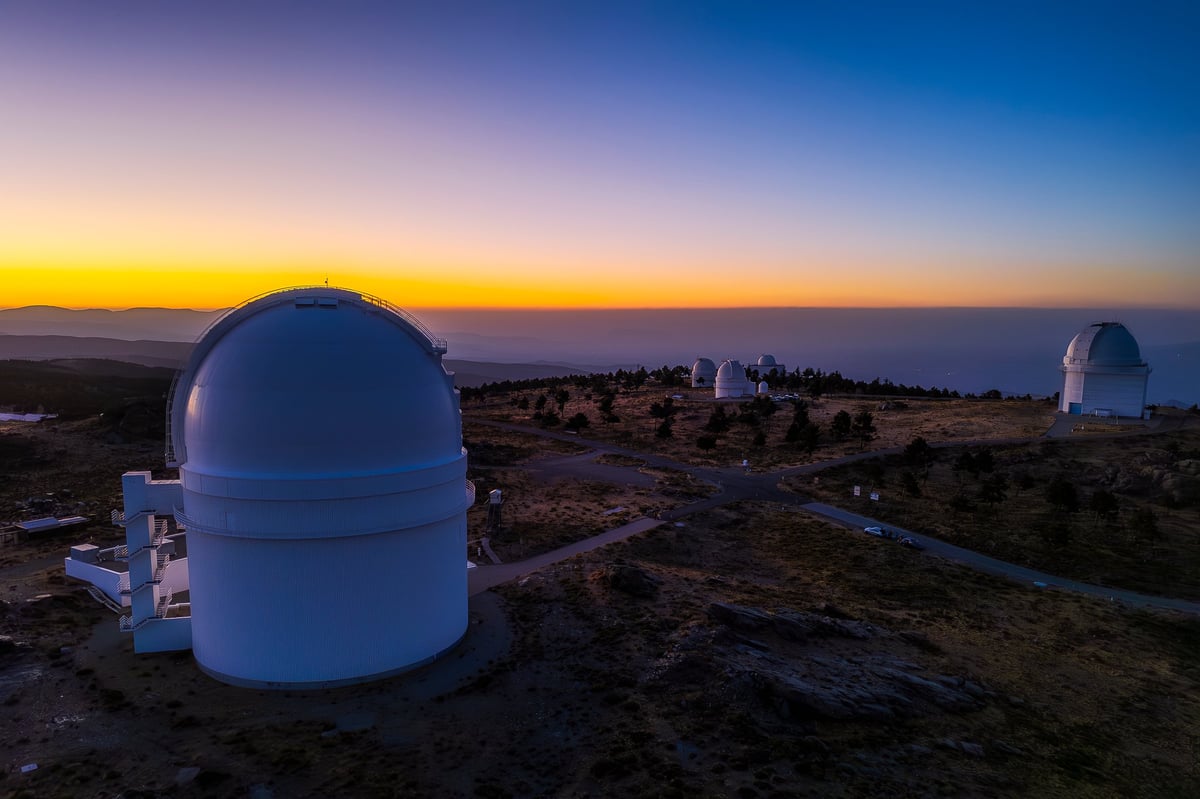
A Mauna Kea stargazing tour is one of the Big Island's most memorable evening experiences. This guide explains what to expect, whether a guided tour is worth it, how summit access works, what to wear, altitude considerations, and how to choose the right Mauna Kea sunset or stargazing tour from Kona, Waikoloa, or nearby resort areas.
Weather, road conditions, altitude, and operator policies can affect tour routing and summit access.
Yes, for many visitors a guided Mauna Kea stargazing tour is worth it because it simplifies the logistics of altitude, road conditions, timing, warm clothing, and nighttime driving. Mauna Kea can be cold, remote, and high-elevation, so a tour is often the easier and safer choice for visitors who want sunset and stargazing without managing the drive themselves.
A guided tour may be especially worthwhile if you are staying in Kona, Waikoloa, or along the Kohala Coast and want transportation, local guidance, and a structured evening plan.
View Mauna Kea Stargazing ToursExperience one of the Big Island's most dramatic landscapes as the evening sky changes over Mauna Kea. Depending on the operator, conditions, and tour type, your experience may include sunset viewing, high-elevation scenery, stargazing, guide interpretation, warm gear, and transportation from the Kona or Waikoloa side.
Tours are operated by independent providers. Availability, pricing, restrictions, pickup locations, routing, summit access, weather policies, and cancellation policies may vary by operator.
Mauna Kea is one of the most unique places on the Big Island. Visitors come for high-elevation views, dramatic sunset scenery, and some of the clearest night skies in Hawaii. Because the mountain is remote, cold, and high altitude, many travelers prefer a guided tour instead of trying to manage the logistics on their own.
When conditions are favorable, the combination of sunset colors, thinning atmosphere, and dark skies can create an unforgettable evening. However, visibility and conditions depend on weather, cloud cover, wind, and operator routing — no specific view or experience can be guaranteed.
A guided tour is usually the easiest option for visitors who want a structured sunset and stargazing experience without worrying about road conditions, nighttime driving, altitude planning, warm gear, or timing. Many tours include transportation, guide interpretation, and cold-weather gear depending on the operator.
Driving yourself may be possible for some visitors, but it requires more planning. You need to consider vehicle suitability, road conditions, altitude, weather, darkness, and whether your rental agreement allows the route. Some sections may require appropriate vehicle capability, and conditions can change.
Our Recommendation
For most visitors, especially those unfamiliar with Mauna Kea, a guided tour is the more convenient and lower-stress choice.
Some Mauna Kea tours may include summit access, while others focus on the visitor center area, lower-elevation viewpoints, or alternative stargazing locations. Summit access can depend on operator permits, weather, road conditions, altitude restrictions, vehicle requirements, and safety considerations.
Mauna Kea reaches high elevation, and altitude can affect visitors differently. Guests with certain health conditions should review the operator's restrictions before booking. This experience may not be suitable for everyone, especially guests with respiratory, heart, pregnancy, or altitude-related concerns.
Important: Always review the specific operator's age, health, altitude, and safety requirements before booking.
Mauna Kea can be much colder than the beaches and resort areas on the Big Island, especially after sunset. Even if the day is warm in Kona or Waikoloa, the mountain can feel very cold at night.
Some operators provide parkas, gloves, or warm gear, but inclusions vary. Confirm what is included before booking.
Mauna Kea tours are commonly planned around sunset and evening stargazing. Sunset provides dramatic high-elevation views, while the darker evening sky offers the best chance for stargazing when weather conditions are favorable.
The best night depends on cloud cover, wind, road conditions, moon phase, tour routing, operator schedule, and your island itinerary.
Practical Recommendation
If Mauna Kea is a priority, book earlier in your trip so you have flexibility if weather affects the tour.
Moon phase can affect how dark the sky appears. A darker moon phase can make faint stars and the Milky Way easier to see when conditions are clear. However, a brighter moon can still create a beautiful night sky and does not automatically make the experience not worthwhile.
Recommendation: Do not choose your tour date based only on moon phase. Weather, clouds, availability, and your schedule are usually just as important.
Exact itineraries vary by operator, but many Mauna Kea tours include transportation or a designated meeting point, a drive toward the mountain, sunset viewing, time to adjust to the elevation, stargazing, and guide interpretation. Depending on the operator, the tour may include warm clothing, snacks, hot drinks, telescopes, or astronomy guidance.
Pickup or meeting point
Depending on operator, from Kona, Waikoloa, or designated location
Drive toward Mauna Kea
Scenic drive with guide commentary along the way
Scenic stops or acclimation time
Time to adjust to the elevation and enjoy views
Sunset viewing
Dramatic high-elevation sunset depending on conditions and routing
Stargazing after dark
Guided sky observation when conditions allow
Return drive
Back to Kona, Waikoloa, or meeting point
Specific inclusions like telescope use, summit access, observatory access, or celestial views vary by operator and conditions. Confirm details before booking.
Not all Mauna Kea tours include summit access. Confirm the itinerary before booking.
The mountain can feel much colder than Kona or Waikoloa. Wear warm layers and confirm whether the operator provides jackets or gloves.
Weather and road conditions can affect Mauna Kea tours. Book earlier in your trip so you have more flexibility.
If you plan to drive yourself, confirm your vehicle is suitable, your rental agreement allows the route, and road conditions are safe.
Altitude can affect guests differently. Review health and safety restrictions carefully before booking.
A Mauna Kea sunset and stargazing experience can be one of the most memorable nights of your Big Island trip. Book early, review the altitude and health requirements, and choose a tour that fits your pickup location, comfort level, and expectations.
Explore our other local guides to plan your perfect Big Island trip.
Browse all Big Island land tours including Mauna Kea summit, volcano adventures, and helicopter tours.
View AdventuresA complete first-timer itinerary with daily schedules, must-see stops, and booking tips.
View ItineraryEverything you need to know before booking a night manta ray snorkel tour in Kona.
Read GuideKealakekua Bay access tips, booking recommendations, and what to know before you go.
Read GuideNot sure which tour fits your trip? Reach out and we'll help you decide.
Contact Us